A month ago, another edition of the Summer School on Neurorehabilitation has come to an end. Therefore, it is time for our SSNR2026 recap. Once again, Technaid returns from Baiona with new ideas, valuable feedback and a strong sense of community.
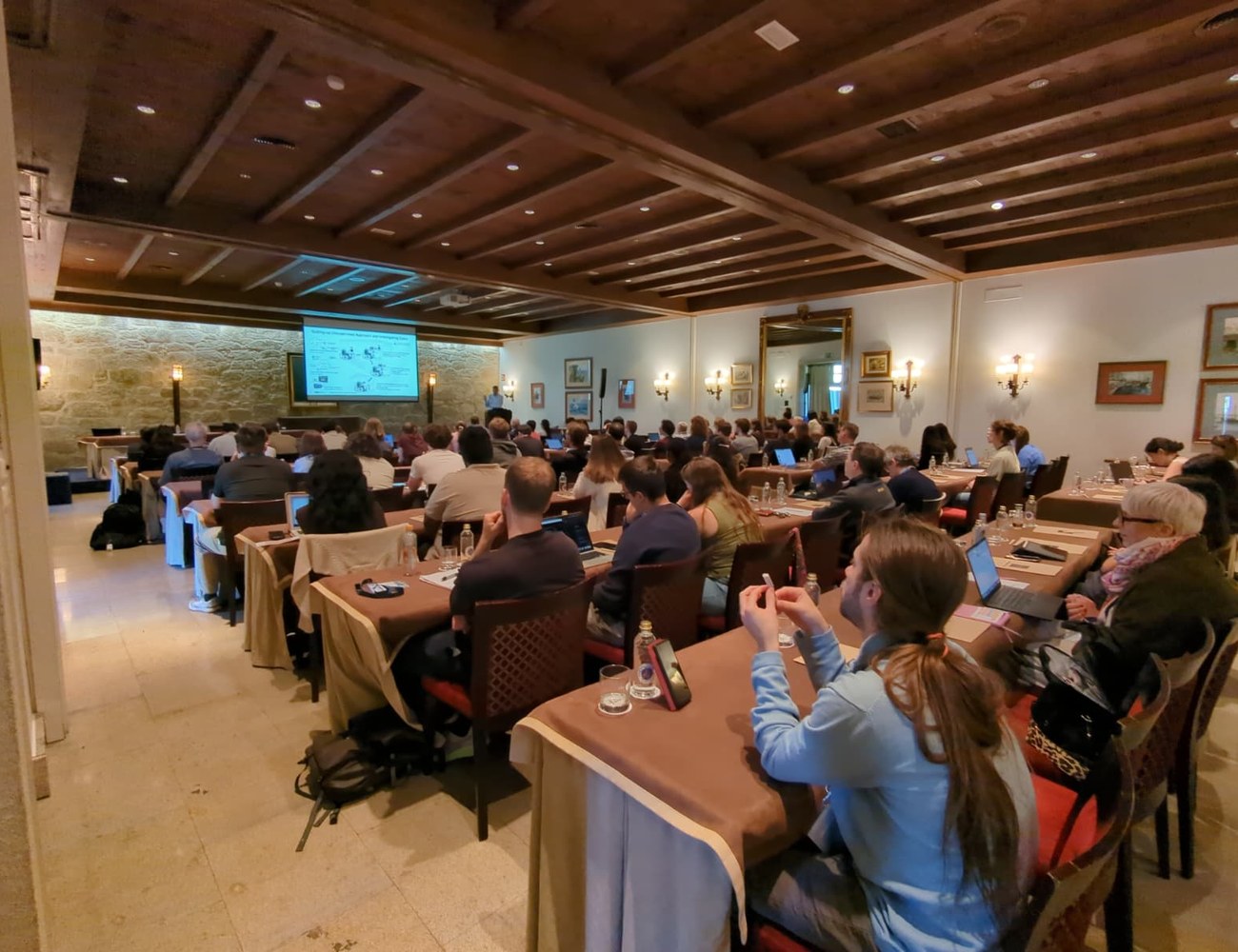
From 7 to 12 June, SSNR2026 brought together researchers, clinicians, engineers and students in Galicia. Baiona and the Atlantic created the perfect setting for a week of science and exchange. The programme included lectures, workshops, poster sessions and many informal discussions. For Technaid, being part of this event year after year is always a privilege.
SSNR2026 recap: collaborative rehabilitation robotics at WS5
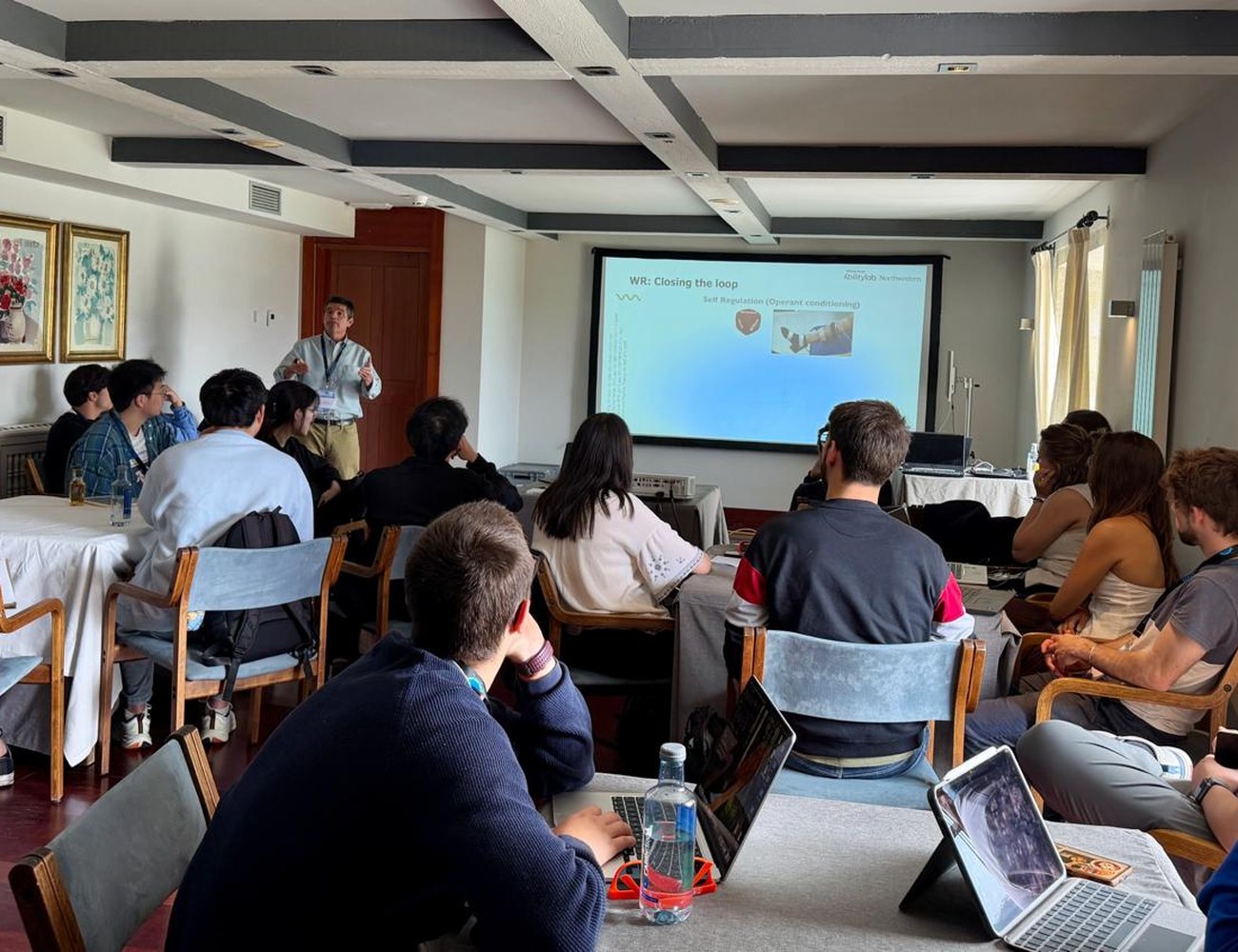
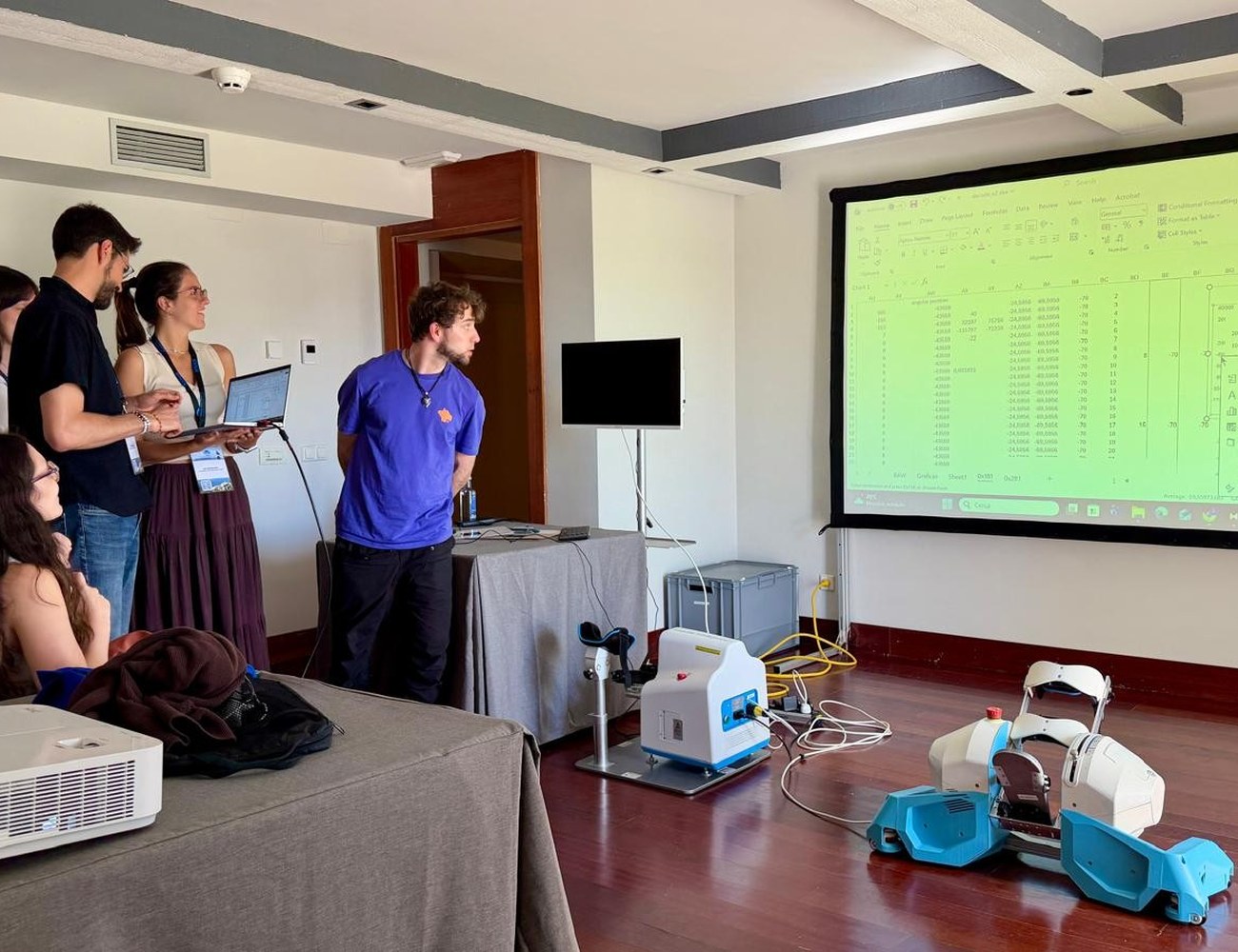
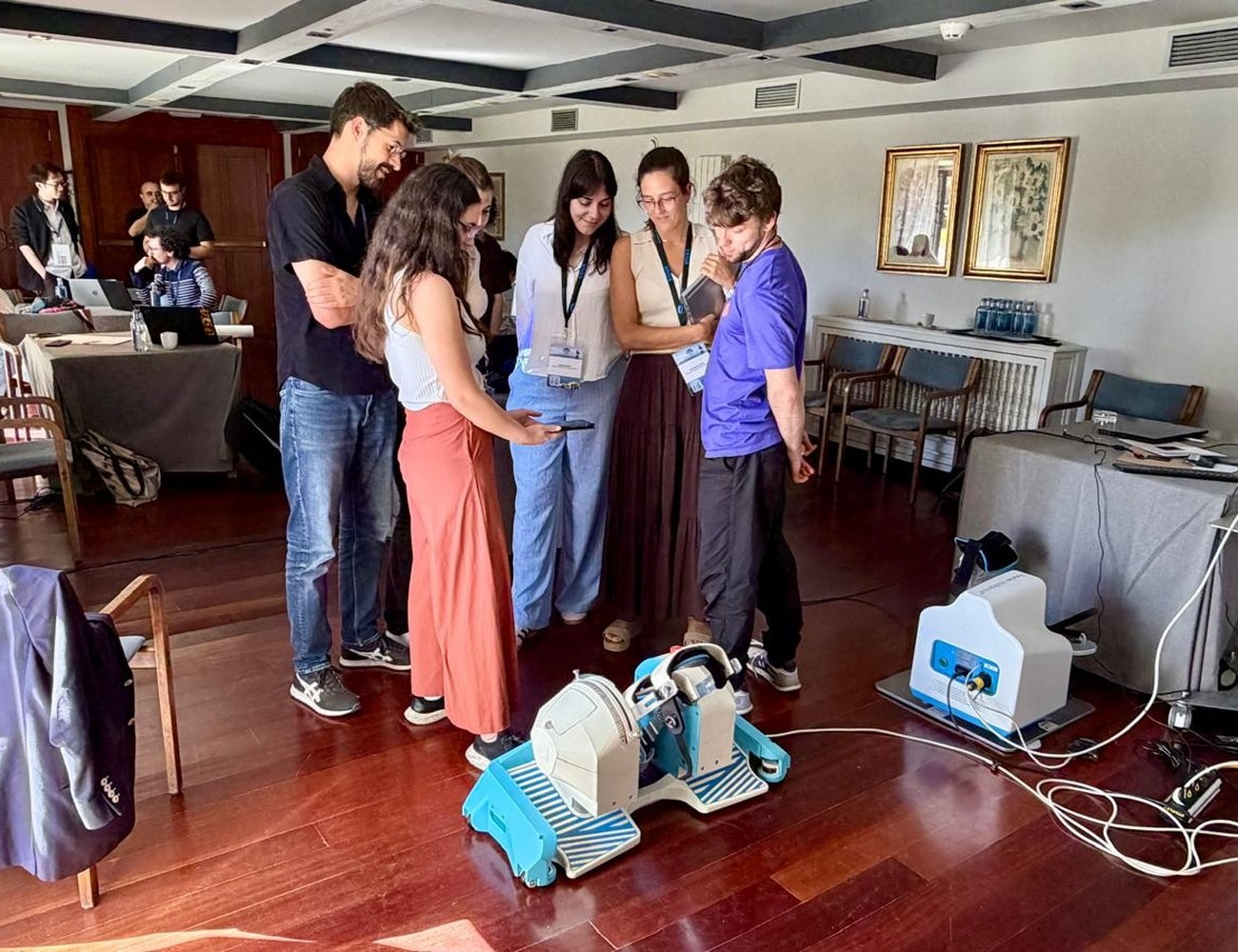
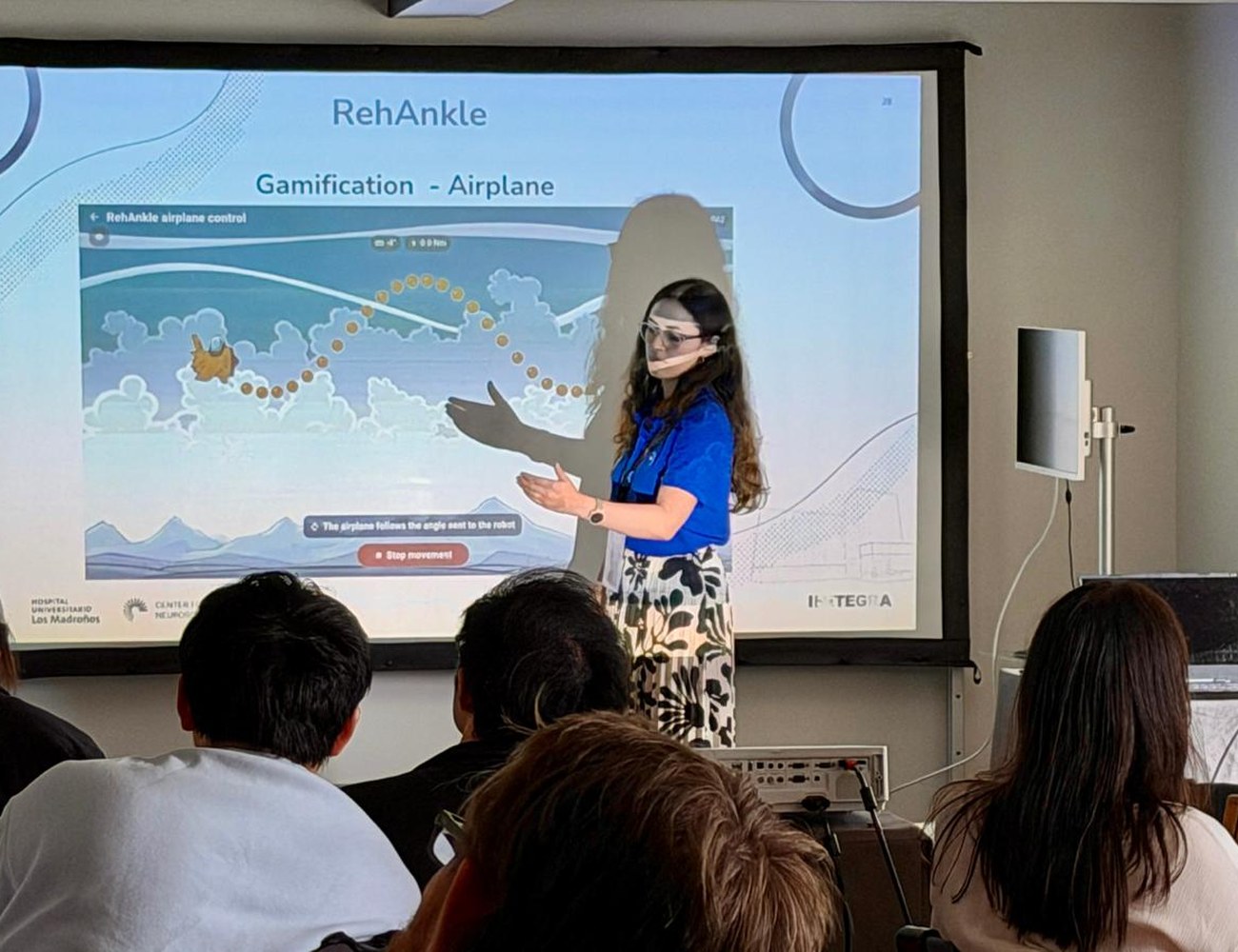
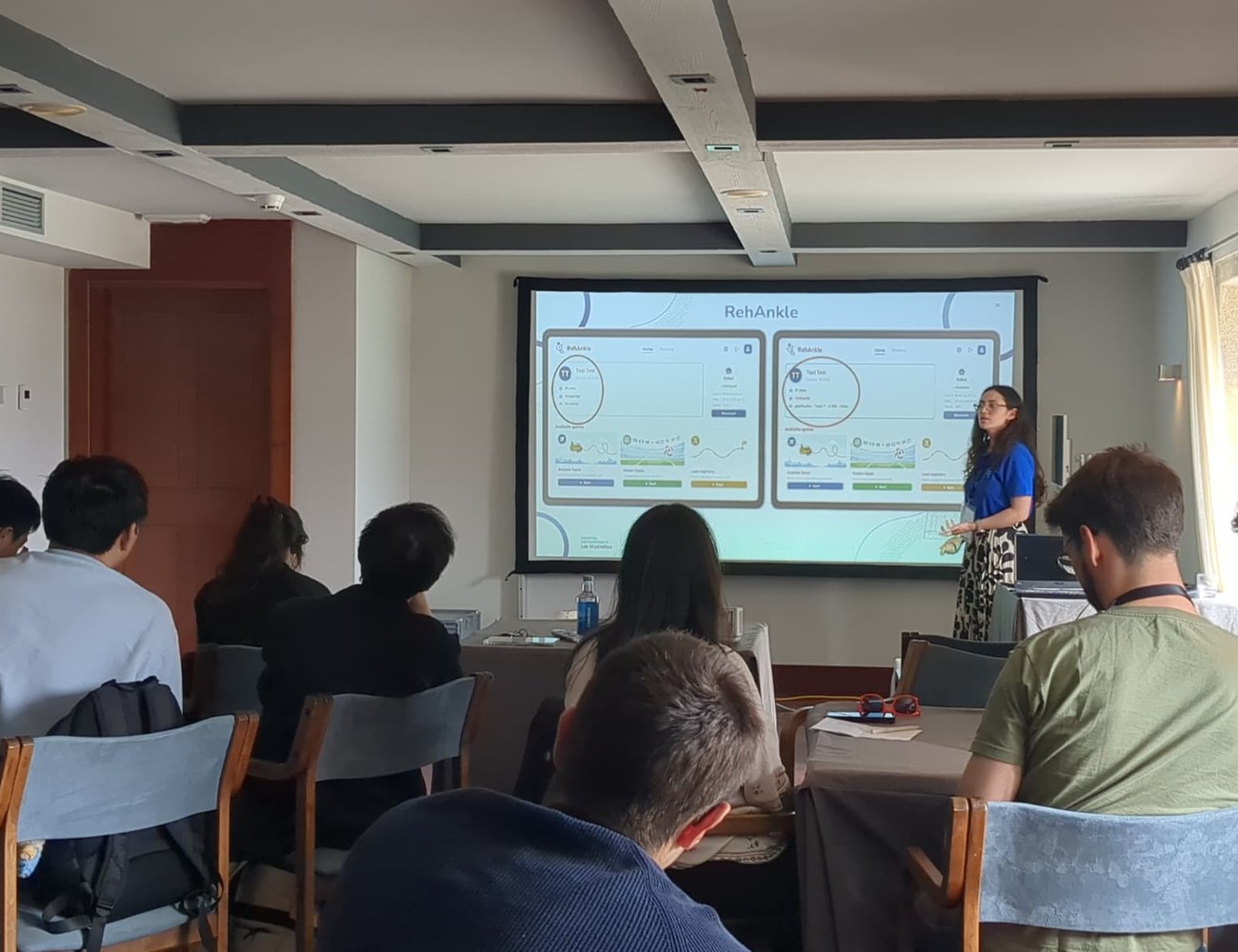
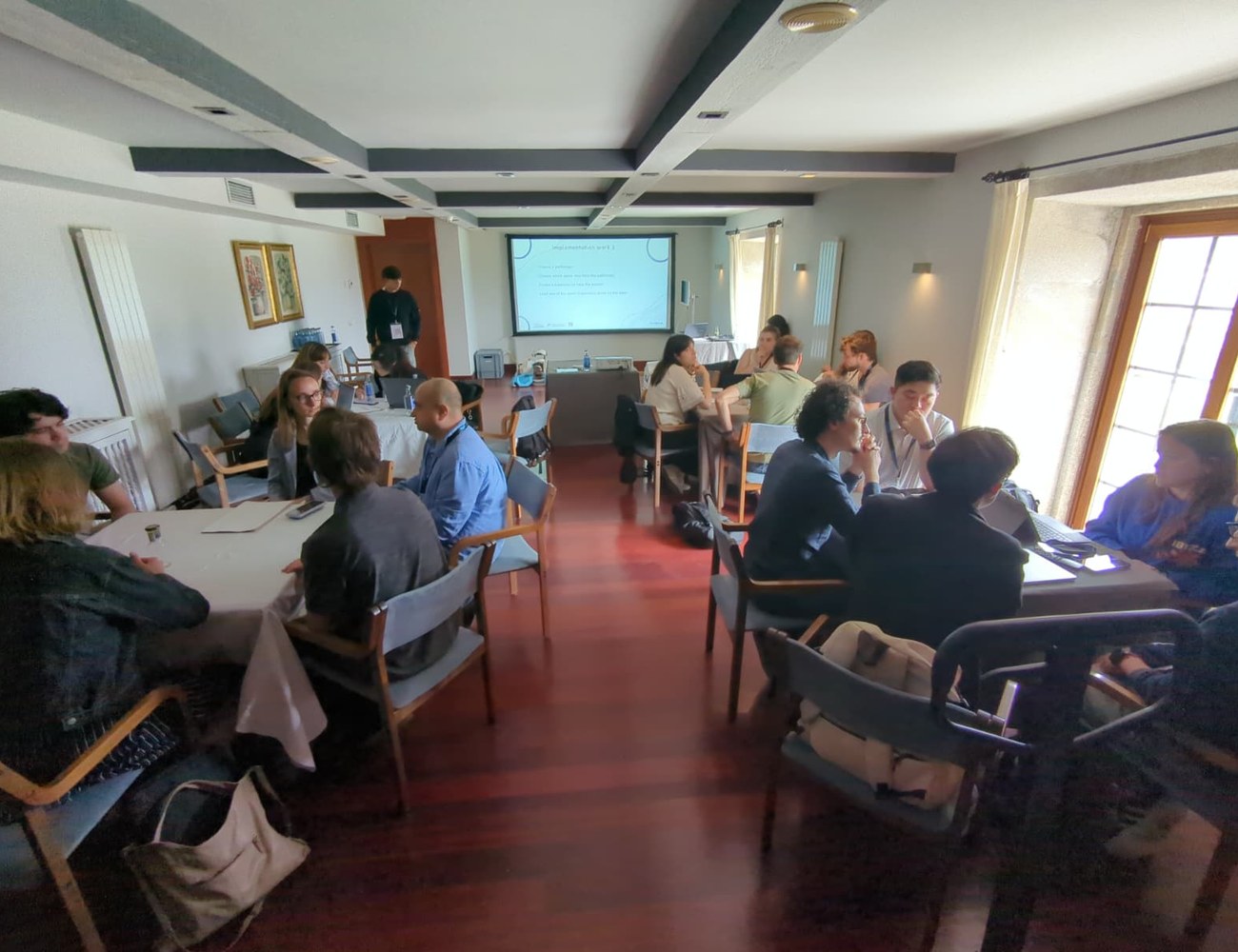
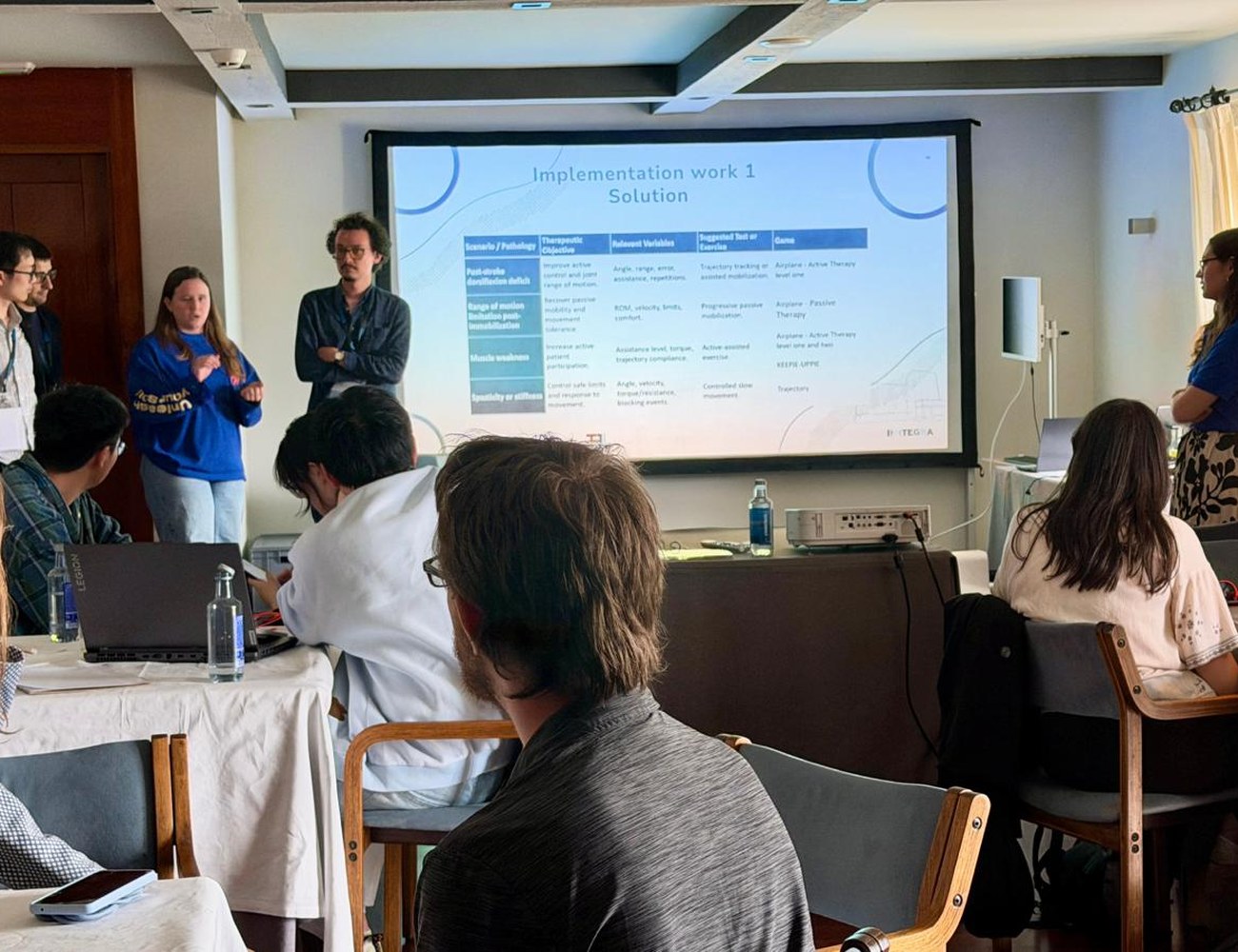
This edition was especially meaningful for our team. We took part in WS5: Collaborative Rehabilitation Robotics, hosted by Technaid S.L. and Hospital Universitario Los Madroños. The workshop focused on the clinical and technical use of ankle rehabilitation robots. In particular, it explored Technaid’s RehAnkle system, ARTENIA as a therapy and data management platform, and the M1 robot from Inntegra/Fourier.
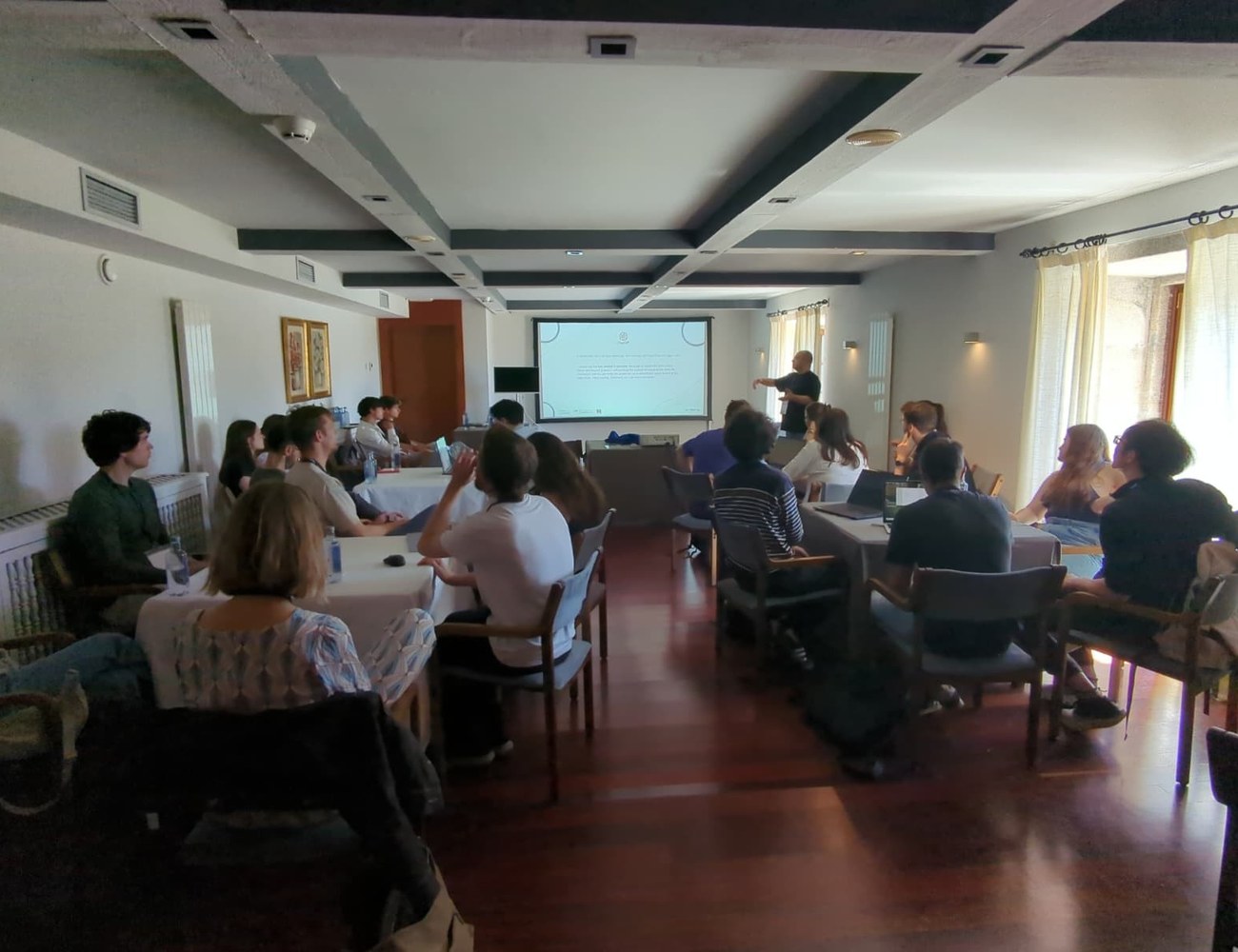
The workshop ran across three practical sessions. First, Technaid introduced RehAnkle and ARTENIA from a therapy configuration and data management perspective. Then, Hospital Universitario Los Madroños presented the M1 system, BusCAN communication and raw data analysis. Finally, both approaches came together in an integration exercise.
During this final session, participants worked with movement data from one robotic platform. Next, they adapted that information and loaded it into RehAnkle. After that, the trajectory was executed and recorded. ARTENIA then made it possible to compare the results and discuss the process.
This hands-on activity showed a key challenge in rehabilitation robotics. Robotic systems should not work as isolated devices. Instead, they need to exchange data, support objective assessment and help clinicians design better therapies. As a result, WS5 offered a practical view of collaborative robotics in clinical rehabilitation.
A meeting point for researchers and clinicians
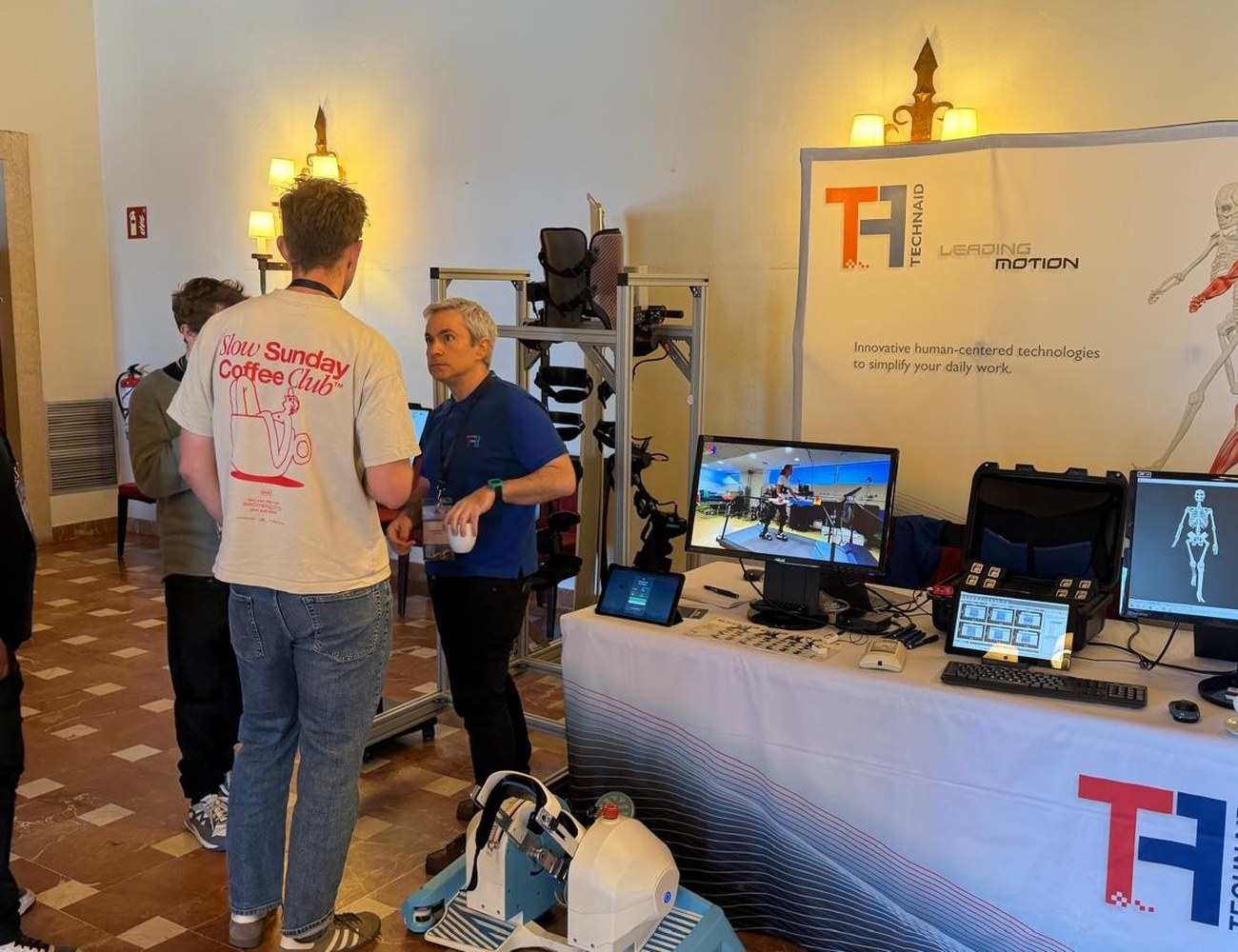
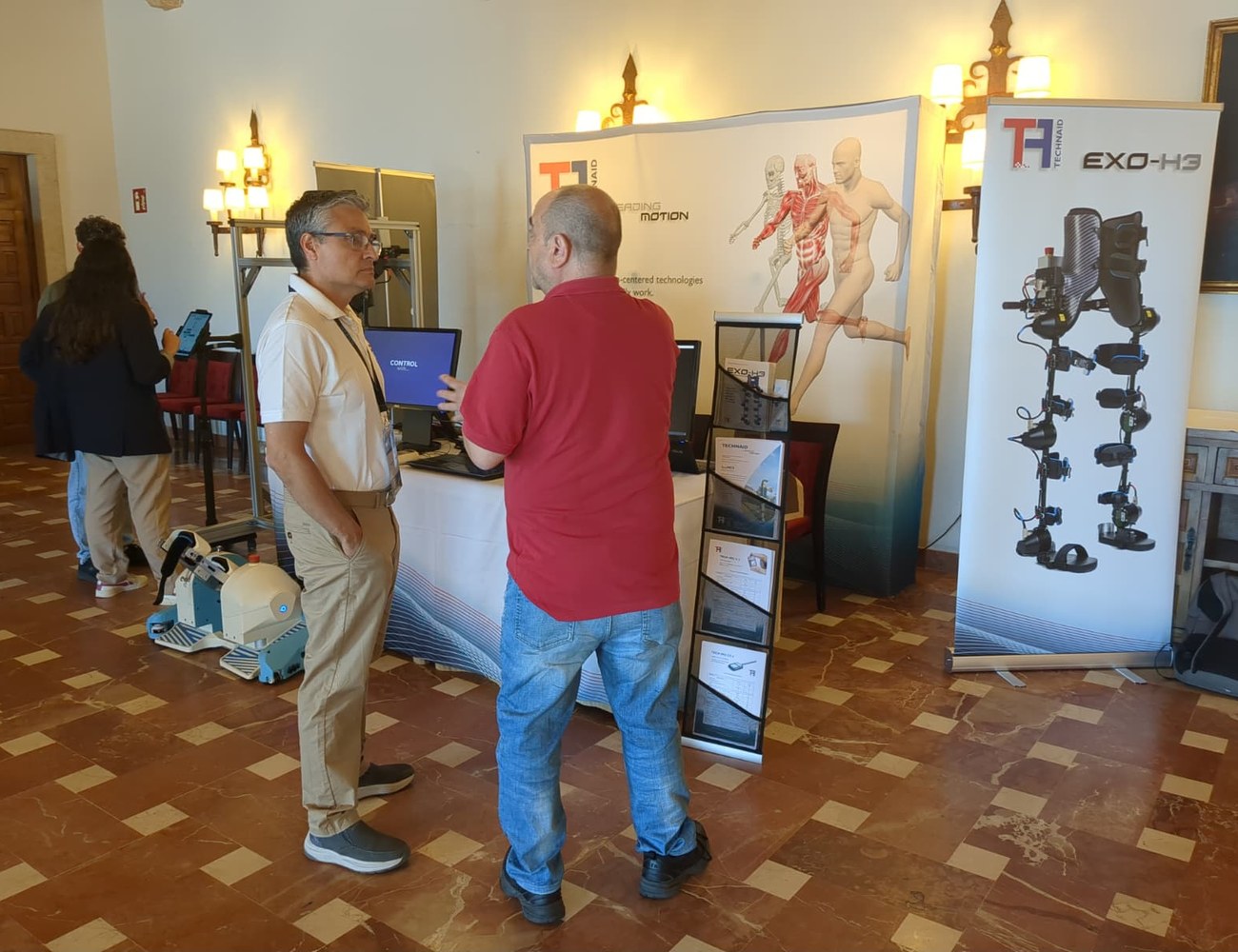
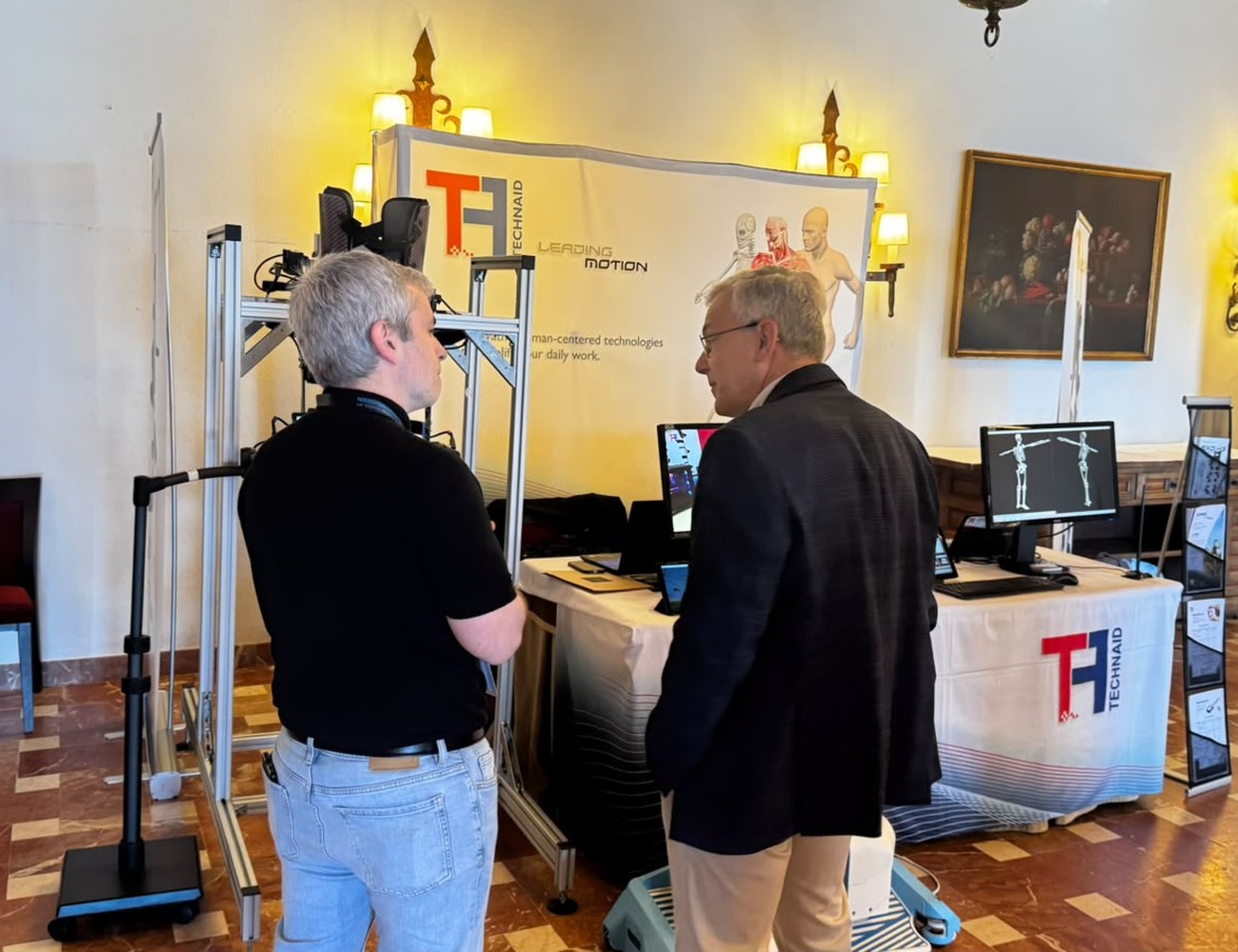
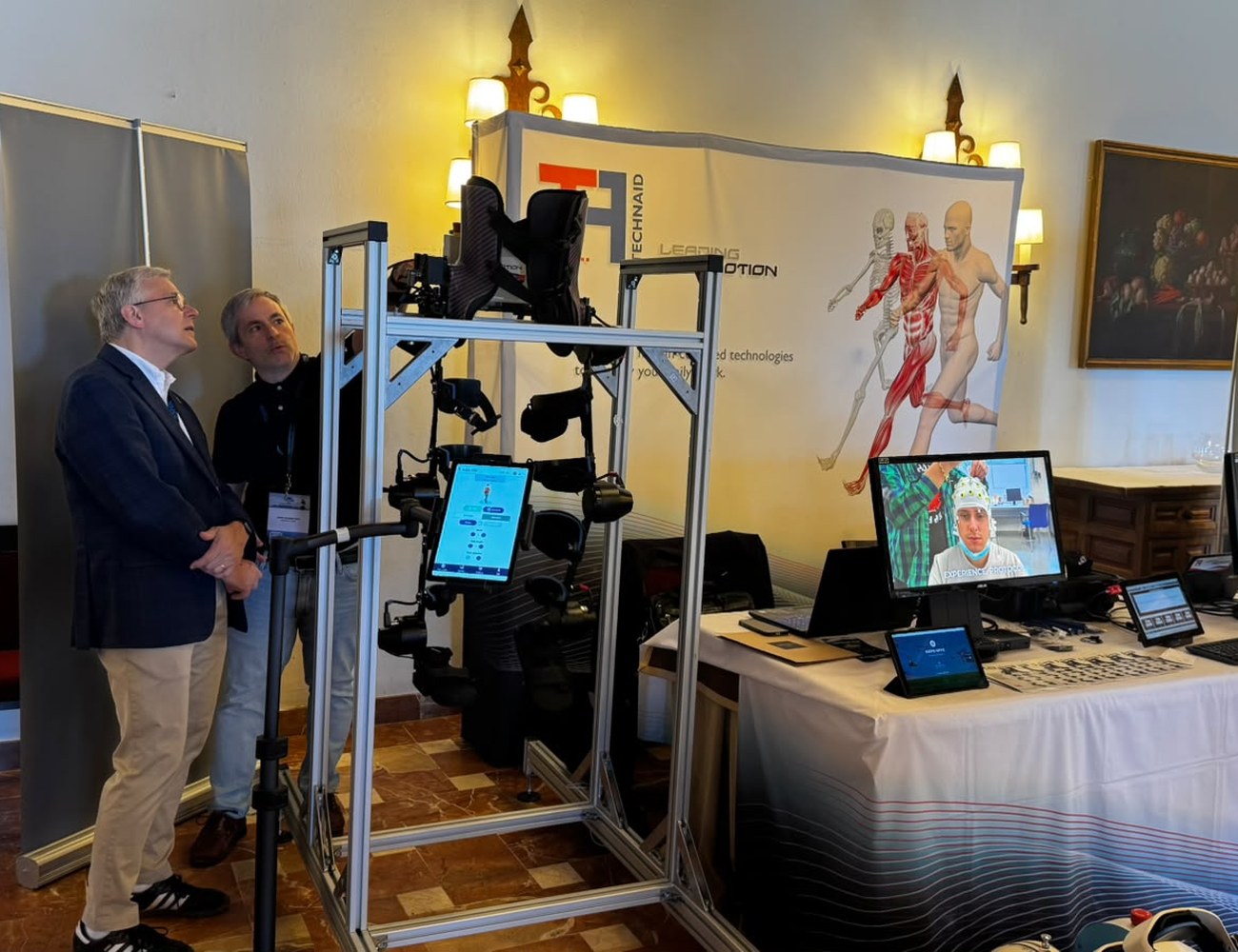
Beyond the workshop, our stand remained active throughout the week. We spoke with participants about motion analysis, robotic rehabilitation and data-driven therapy. These conversations are one of the most valuable parts of SSNR. They help us understand how researchers and clinicians use our systems in real contexts.
Many visitors came with specific questions about integration, control and motion data. Others wanted to discuss future applications in gait rehabilitation or experimental protocols. In every case, the exchange was useful and inspiring. Moreover, it reminded us why close contact with the research community is essential.
For Technaid, SSNR is not only a place to present technology. It is also a place to listen, learn and improve. Each conversation gives us information that can shape future developments. Therefore, the event remains a key moment in our annual calendar.
Science, networking and the Atlantic
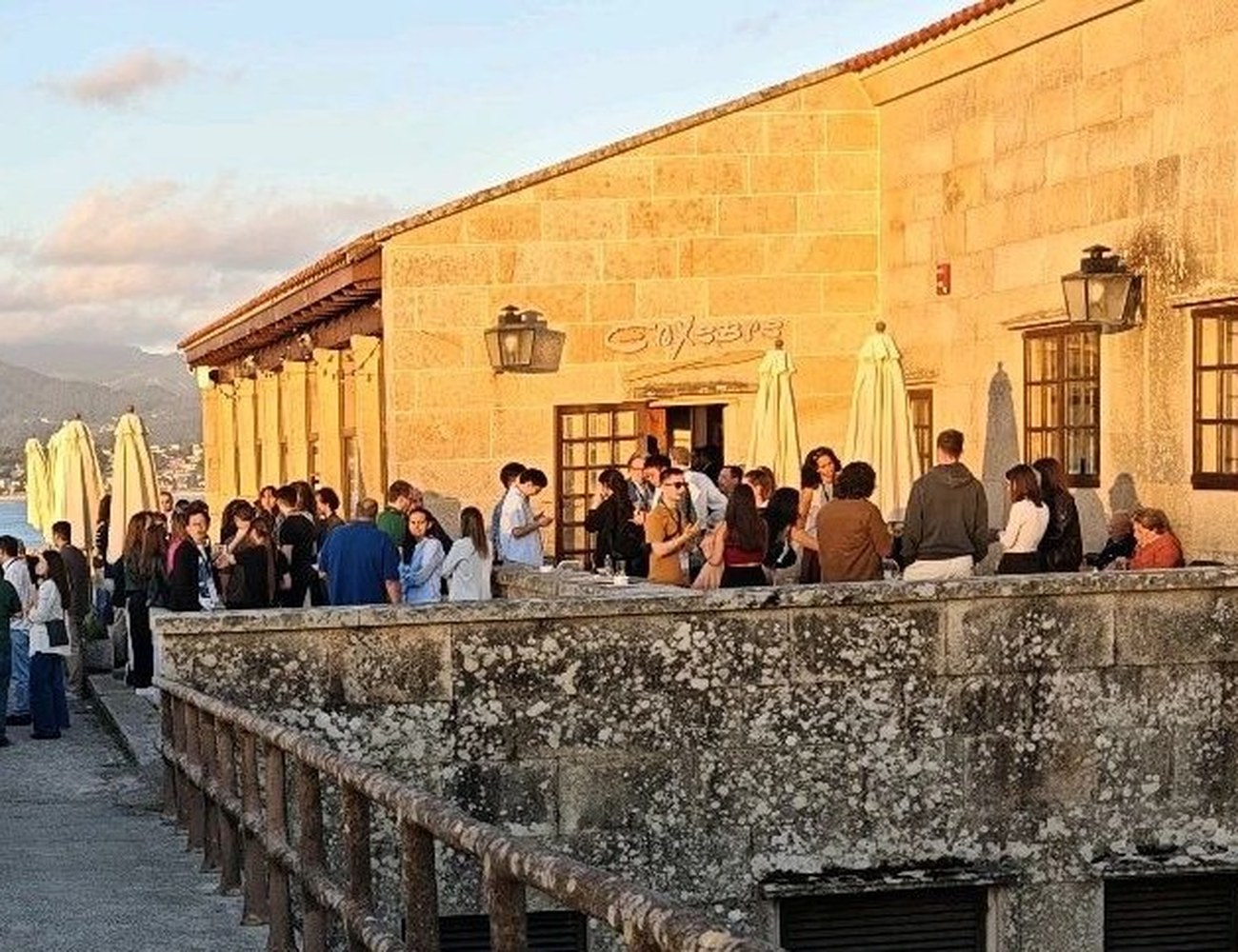
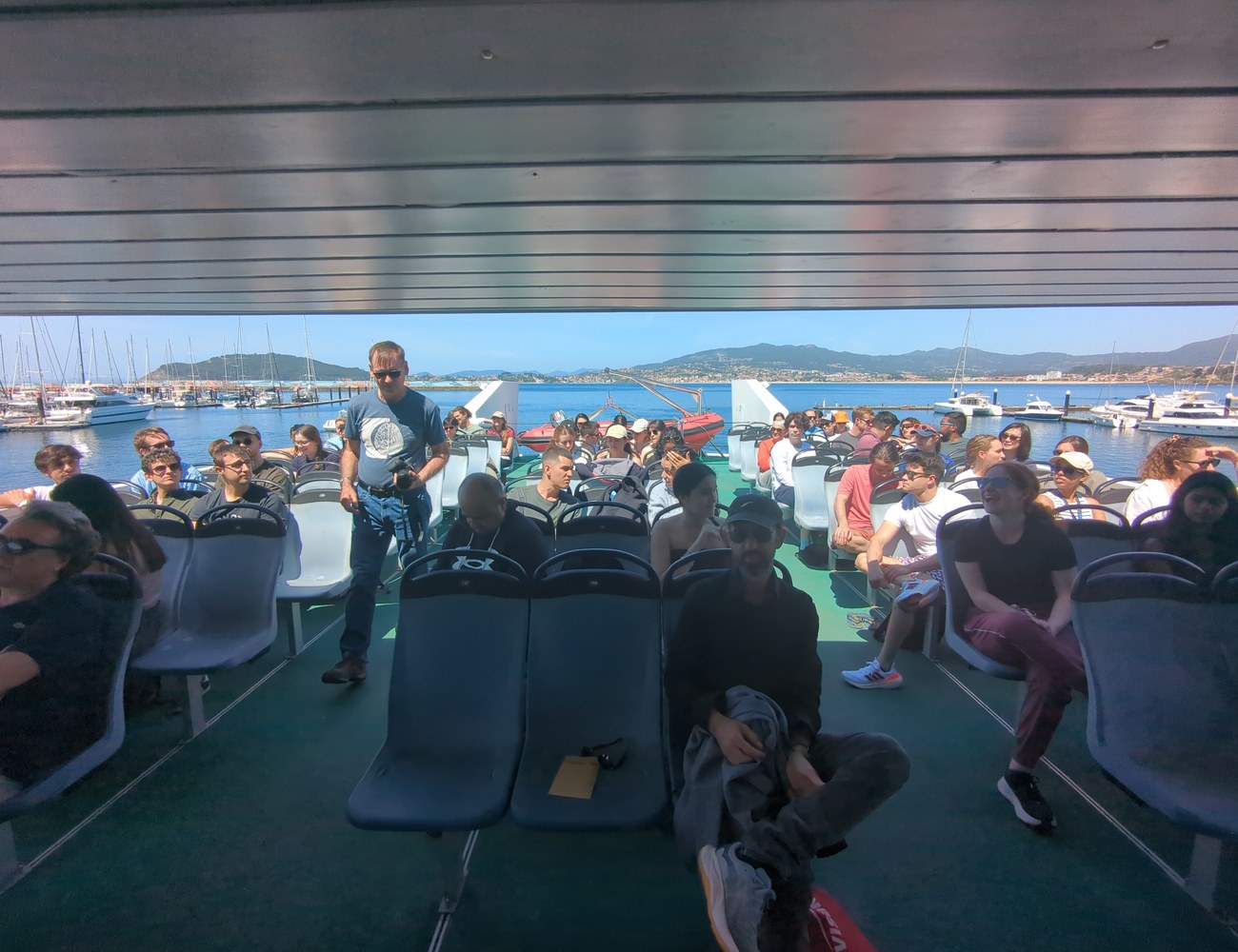
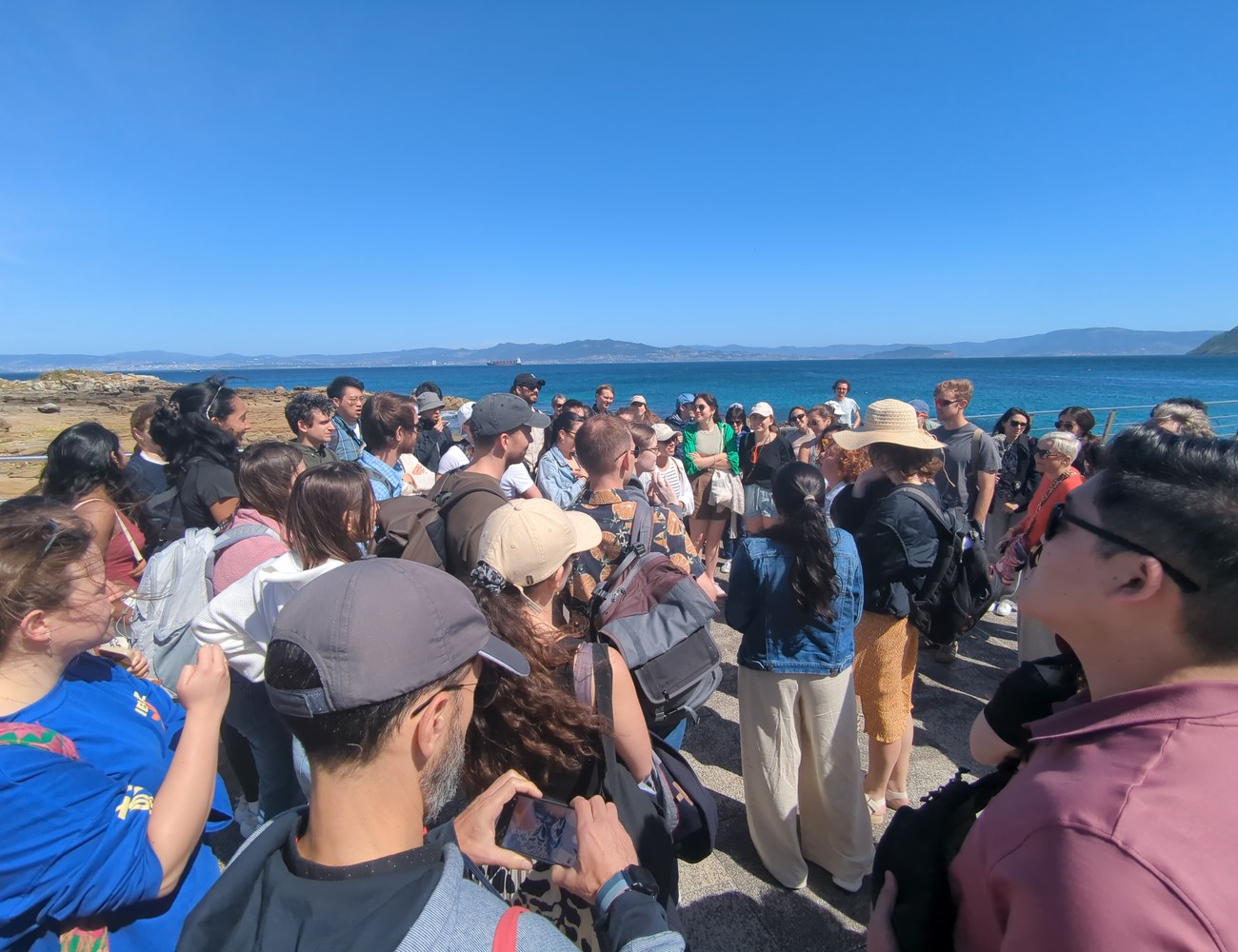
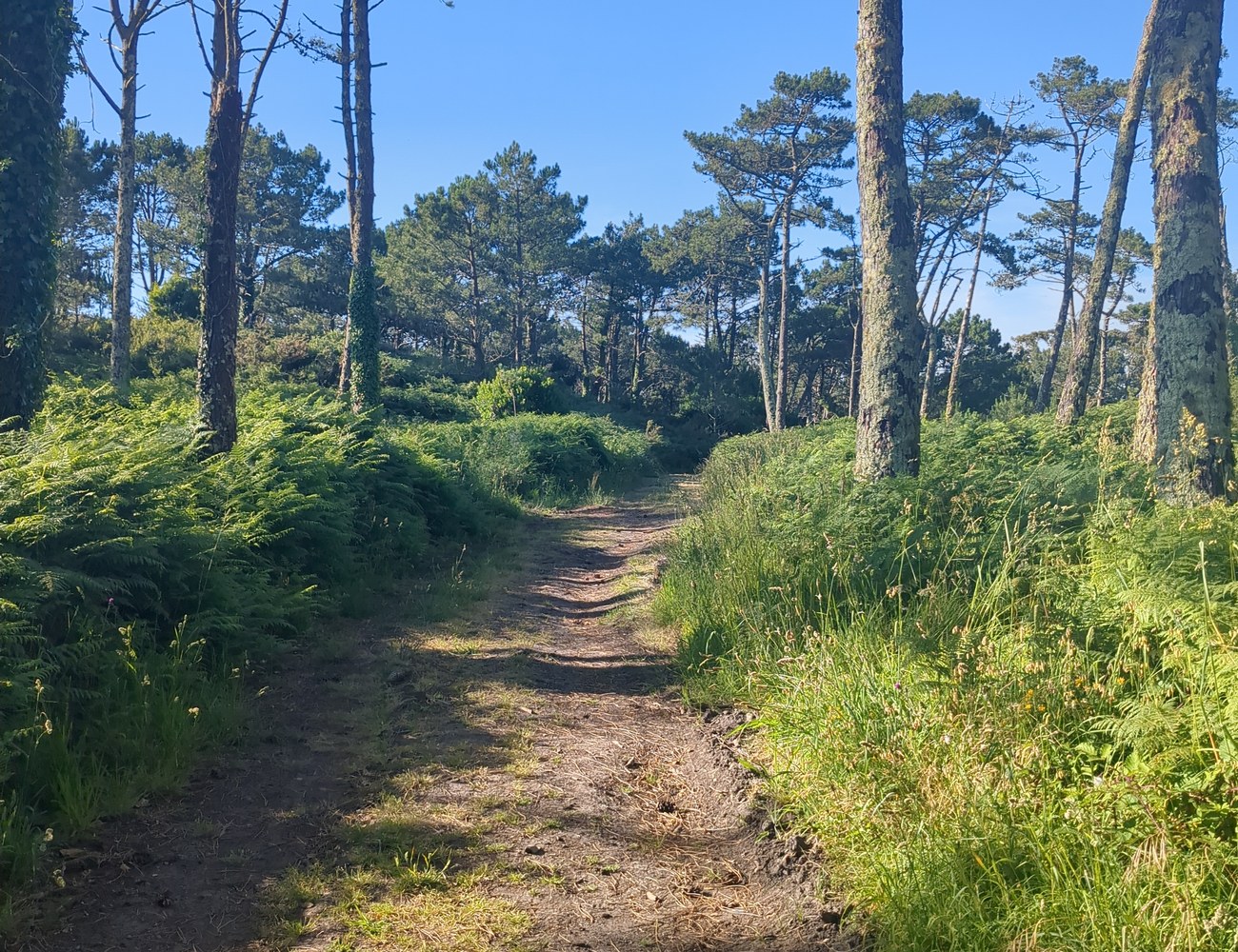
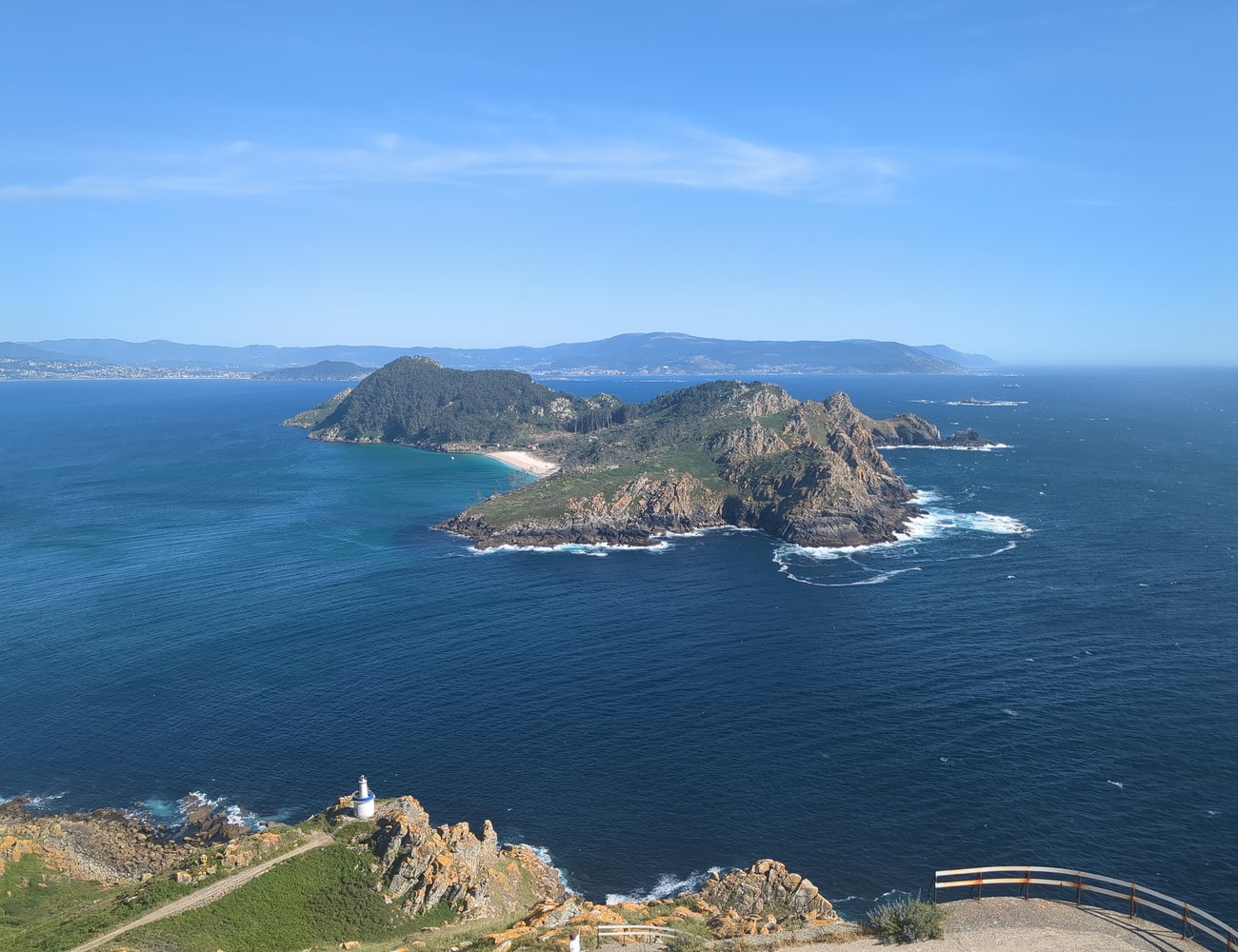
The week also included the social moments that make SSNR unique. The visit to the Cíes Islands gave everyone time to slow down after several intense days. It was a chance to enjoy one of Galicia’s most beautiful natural settings. At the same time, it created space for relaxed networking with colleagues from around the world.
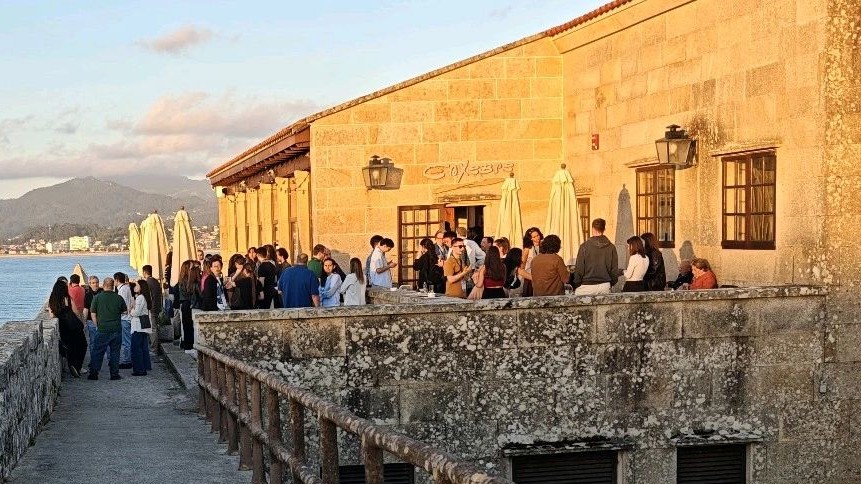
Later in the week, the gala dinner and diploma ceremony brought the school to a close. These moments are important because they strengthen the human side of scientific work. Great ideas often grow through conversation, trust and shared experience. In Baiona, that combination appears naturally.
Thank you, SSNR2026
We would like to thank the SSNR2026 organizers for another excellent edition. We also want to thank Hospital Universitario Los Madroños for their collaboration in WS5. Their contribution made the workshop richer, more practical and closer to real clinical challenges.
Finally, thank you to everyone who visited our stand, joined the workshop or shared ideas with us between sessions. Your questions, curiosity and feedback are extremely valuable for our team.
Above all, this SSNR2026 recap reminds us that rehabilitation robotics grows through collaboration.
See you at the next edition!